
Premium Training Tips : The Barbell Bent Row

The barbell bent row is an under-utilized and under appreciated lift for both size and strength. That being said, it’s also tricky to do right and in a manner that can actually make it worth the effort. Poor form and sloppy technique turns it from a back-builder into a potential injury risk, leading many coaches to recommend it only to intermediate or advanced trainees who have mastered the basics. In this deep dive, we'll explore its biomechanics, benefits, technical nuances, bottlenecks, and alternatives, drawing on established training principles to highlight why it's a double-edged sword.
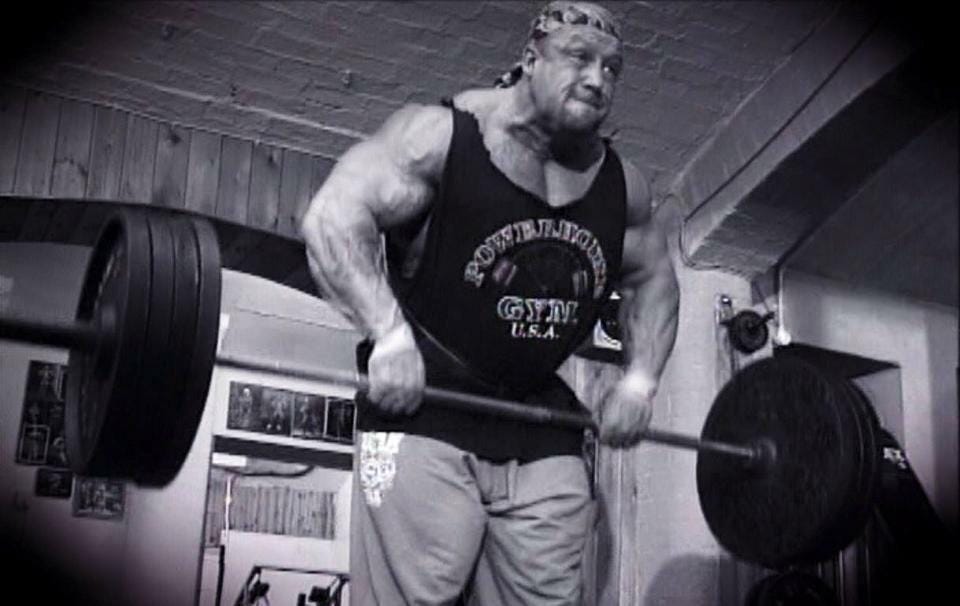
Biomechanics and Anatomy: Why It's a Premier Horizontal Pull
At its core, the barbell bent-over row is a horizontal pulling movement, which targets the posterior chain in a plane often neglected in garage gym setups or home training environments. Without access to a dedicated horizontal row machine or very heavy dumbbells (e.g., 100+ lbs per hand for advanced lifters), it's challenging to achieve an equivalent strength stimulus for the upper back. The bent row fills this gap by allowing bilateral loading with a barbell, enabling progressive overload through heavier weights while recruiting multiple joints and muscle groups.
From a biomechanical perspective, the exercise involves a hip hinge (similar to a Romanian deadlift) combined with scapular retraction and shoulder extension. The primary movers are:
Latissimus dorsi (lats): The largest back muscle, responsible for shoulder extension and adduction, giving the "V-taper" appearance.
Rhomboids and middle trapezius: Drive scapular retraction, pulling the shoulder blades together for mid-back thickness.
Upper trapezius and rear deltoids: Assist in elevation and horizontal abduction.
Erector spinae: Isometrically stabilize the spine in the hinged position.
Secondary contributors: Biceps brachii and brachialis for elbow flexion, forearms for grip, and even the hamstrings, glutes, and core for maintaining the hinge.
With broad application across the entirety of the back the lift (when done right) is efficient for hypertrophy and strength. Unlike vertical pulls (e.g., lat pulldowns), the horizontal vector emphasizes anti-extension core stability and posterior chain integration, which translates to supplemental strength in compound lifts like deadlifts and squats.
Keep reading with a 7-day free trial
Subscribe to AXIOS FITNESS COACHING to keep reading this post and get 7 days of free access to the full post archives.